


By Matt B, CEO of White Wolf Nutrition
If you've started lifting, joined a Pilates studio or just want to feel stronger day to day, protein is probably the nutrient you hear about most. And for good reason. But a lot of the advice out there is written for men chasing size, not women who want to feel capable, strong and well-fuelled.
So let's keep it simple: what protein actually does, how much you need, and how to fit it into a normal, busy day.
What does protein do in the body?
Protein is made up of amino acids, the building blocks your body uses for just about everything, from muscle and skin to hair, nails and enzymes. Protein is needed for tissue building and repair, which is why it comes up so often when people talk about training.
Your body can make some amino acids itself. Nine of them, called essential amino acids, have to come from food. That's why the quality and variety of your protein sources matter, not just the total amount.
Why does protein matter for women who train?
When you do strength training, you're asking your muscles to work hard. Protein from your diet is one of the raw materials your body uses to build and repair that tissue.
There's also a myth worth clearing up. Plenty of women worry that lifting weights and eating more protein will make them "bulky". In reality, building significant muscle size takes years of very specific training and eating. For most women, regular strength work with enough protein shows up as feeling stronger, moving better and finding everyday things easier: carrying the shopping, chasing the kids, or adding another plate to your squat.
How much protein do women need each day?
Australia's Nutrient Reference Values for protein, published by the NHMRC, set the recommended dietary intake for women aged 19 to 70 at 46g a day, or about 0.75g per kilogram of body weight. That's the baseline for general health.
If you're training regularly, the guidance goes higher. The joint position statement from the American College of Sports Medicine, Academy of Nutrition and Dietetics and Dietitians of Canada suggests 1.2 to 2.0g of protein per kilogram of body weight a day for active people. For a 65kg woman, that works out to roughly 80 to 130g a day.
Everyone is different, so if you have specific goals or a medical condition, it's worth chatting to an Accredited Practising Dietitian.
When is the best time to eat protein?
Total protein across the day matters more than perfect timing. That said, many people find it easier to spread protein out than to cram it all into dinner. The International Society of Sports Nutrition's position stand on protein and exercisesuggests spreading intake across meals, at around 20 to 40g each, every three to four hours.
Having something with protein in the couple of hours after training is a practical habit too, mostly because it's an easy moment to remember.
What are the best sources of protein for women?
You don't need anything fancy. Some easy options:
- Animal sources: eggs, Greek yoghurt, chicken, fish, lean red meat, cottage cheese
- Plant sources: tofu, tempeh, lentils, chickpeas, edamame, beans
- Quick top-ups: a protein shake, a handful of nuts, or a protein-packed smoothie
If you eat mostly plants, mixing up your sources across the day makes it easier to get the full range of essential amino acids.
Is protein powder worth it?
Protein powder isn't essential, but it's genuinely handy. The Australian Institute of Sport lists isolated protein supplements as a sports food that can be a practical way to meet protein needs when food isn't convenient. It's a quick way to add protein to breakfast, a post-training shake or an afternoon snack when cooking isn't realistic.
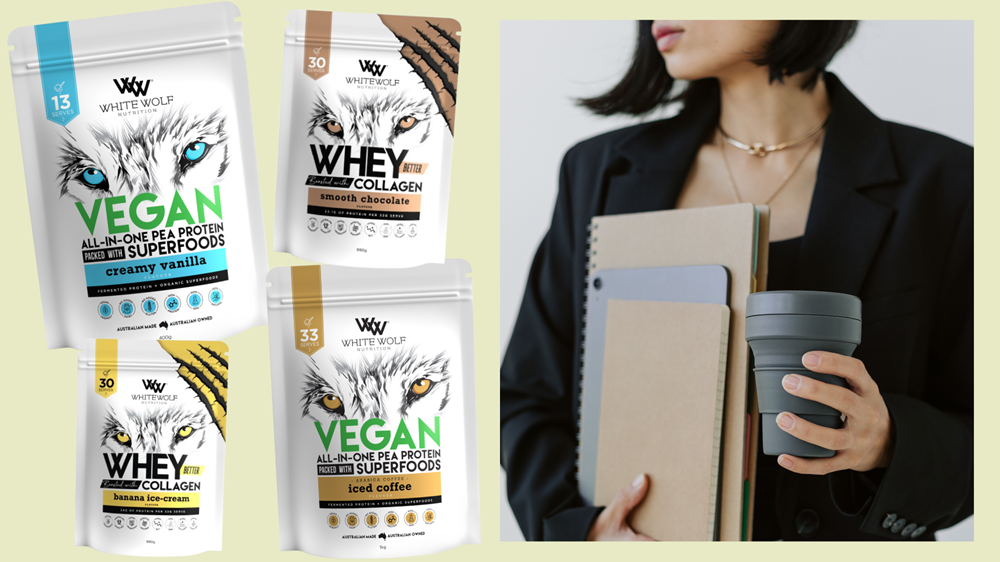
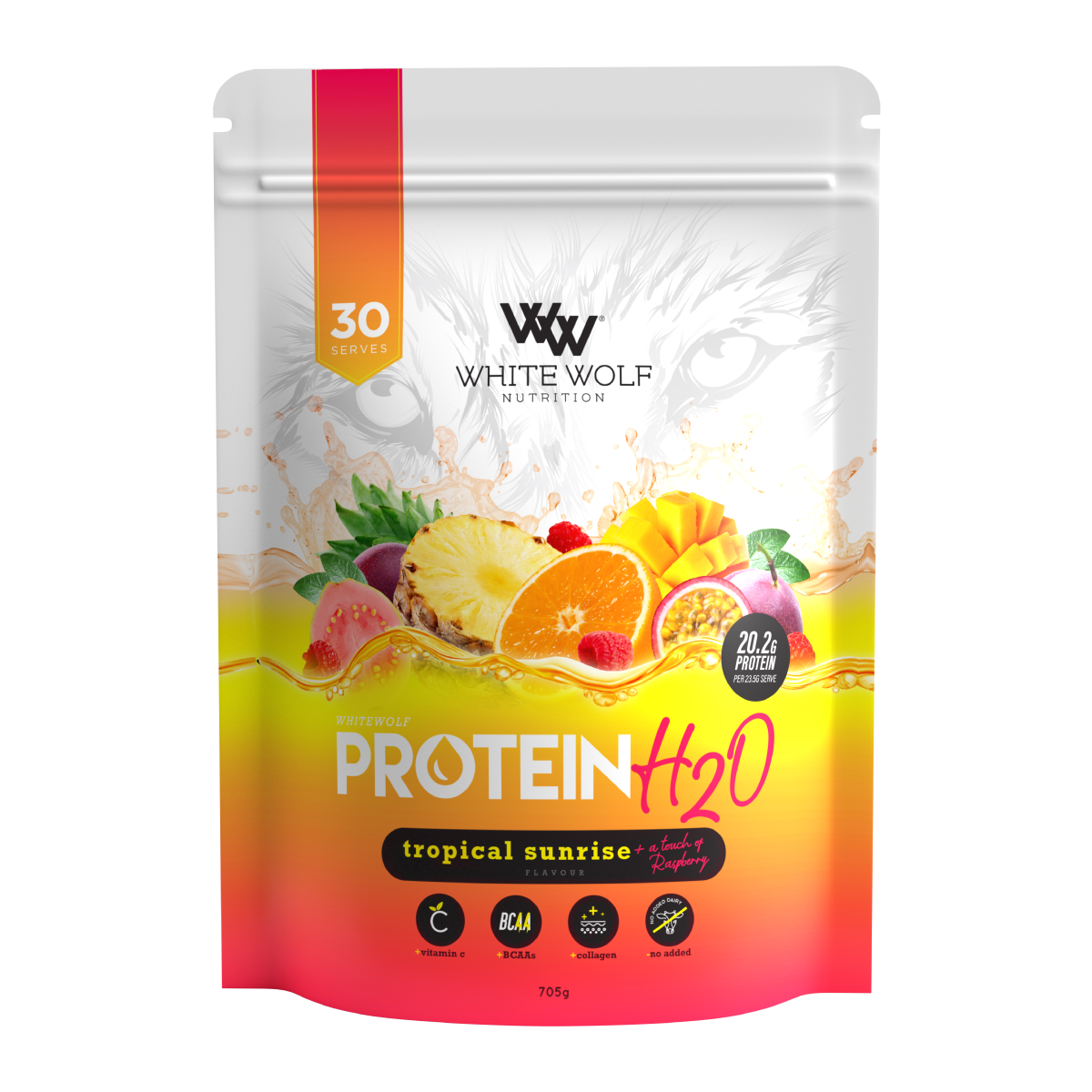
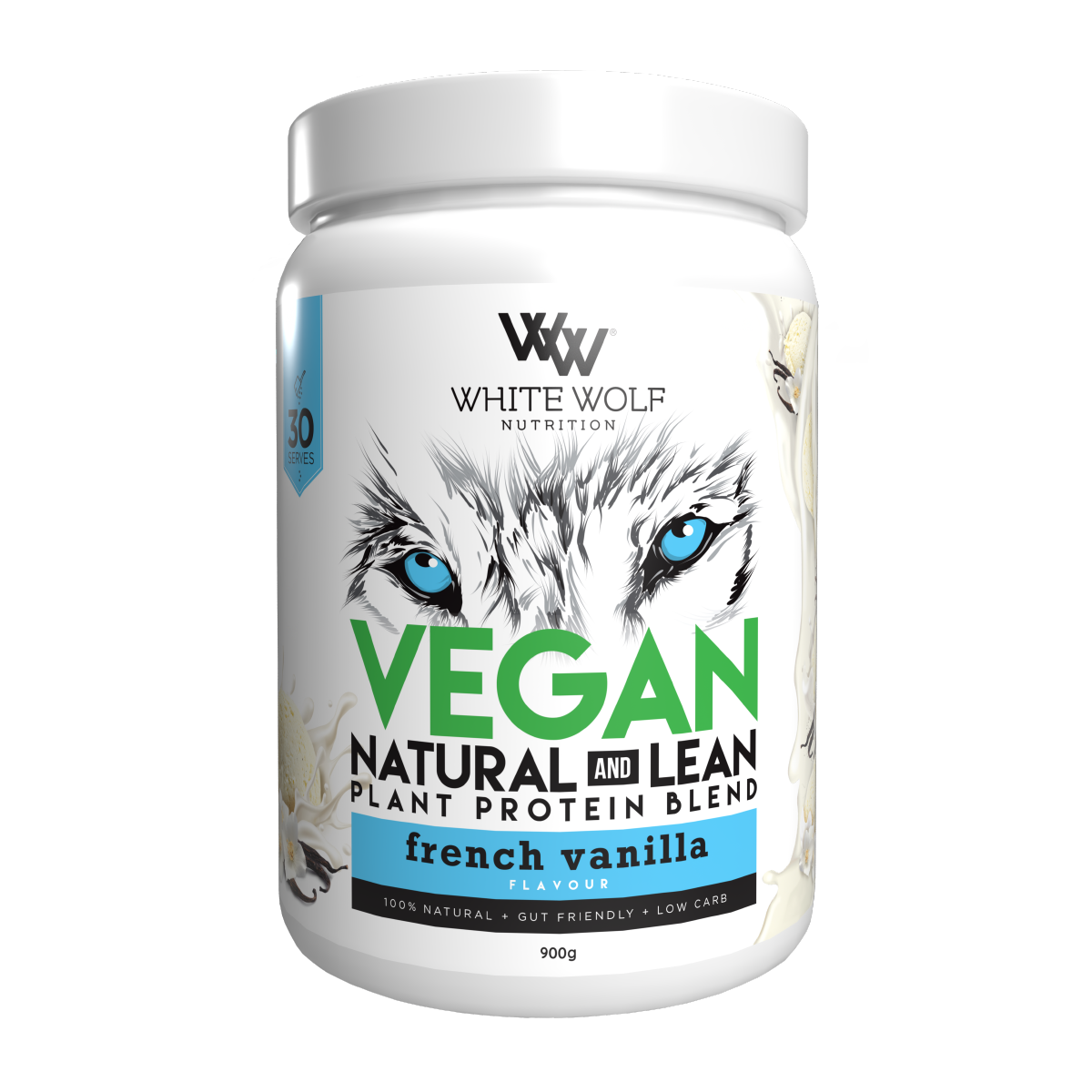
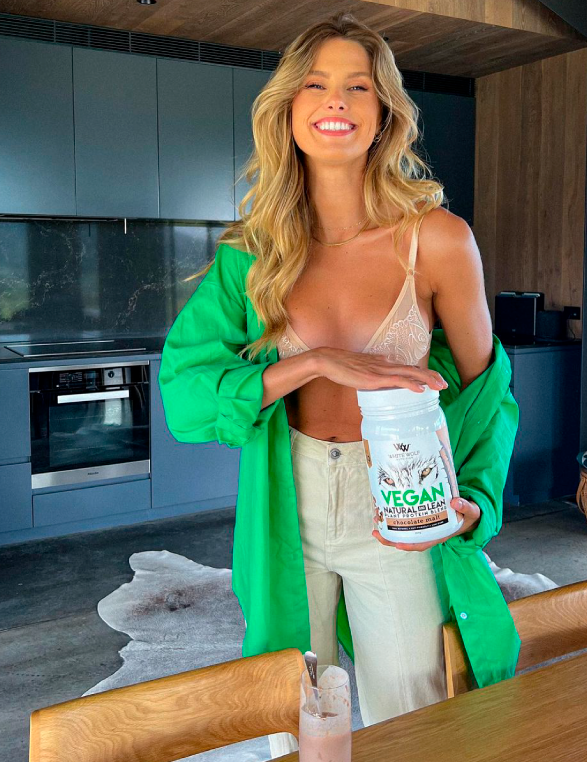
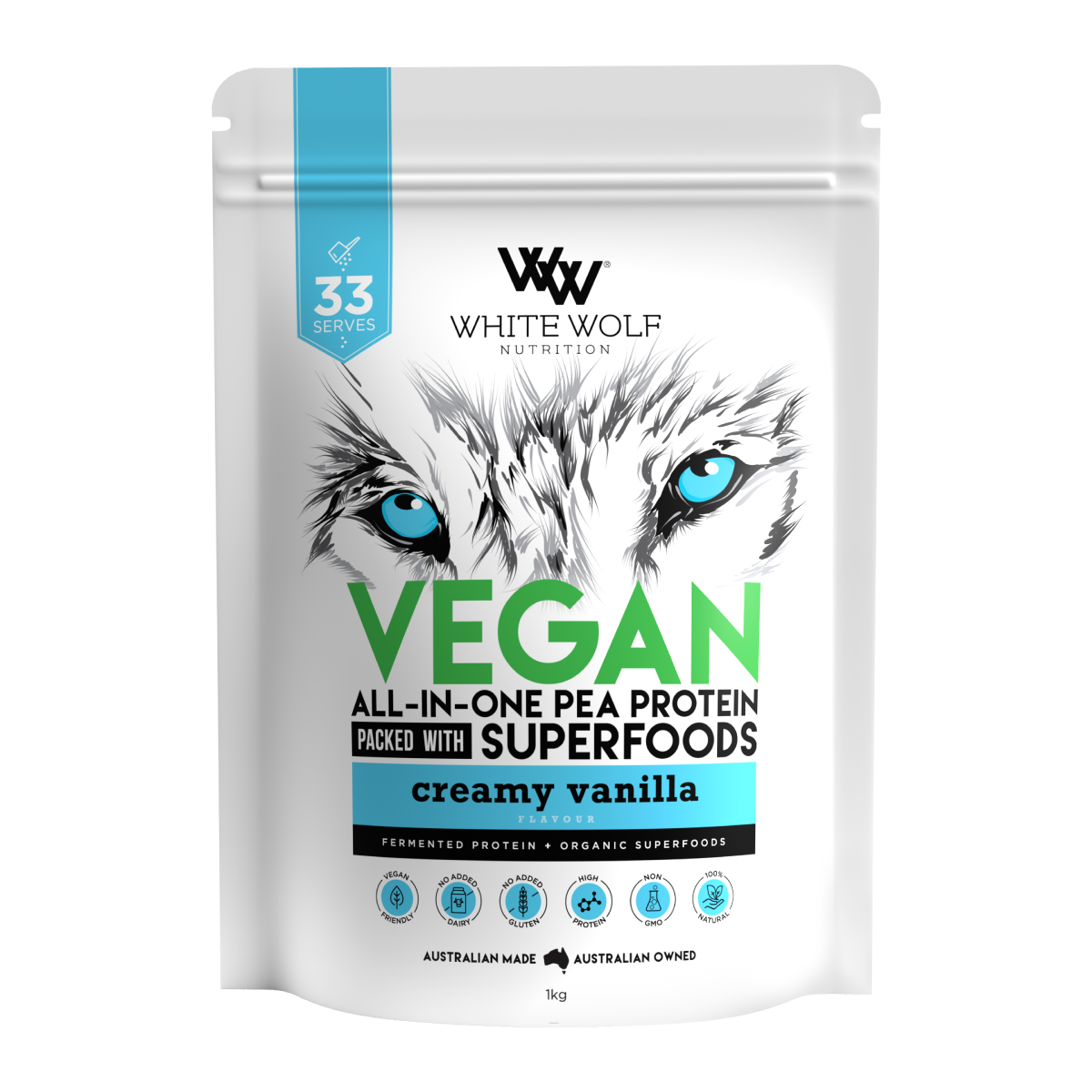
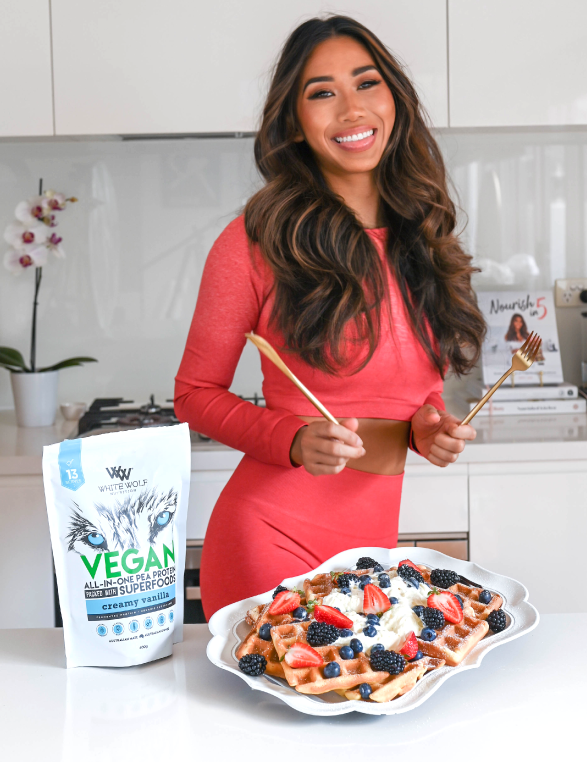
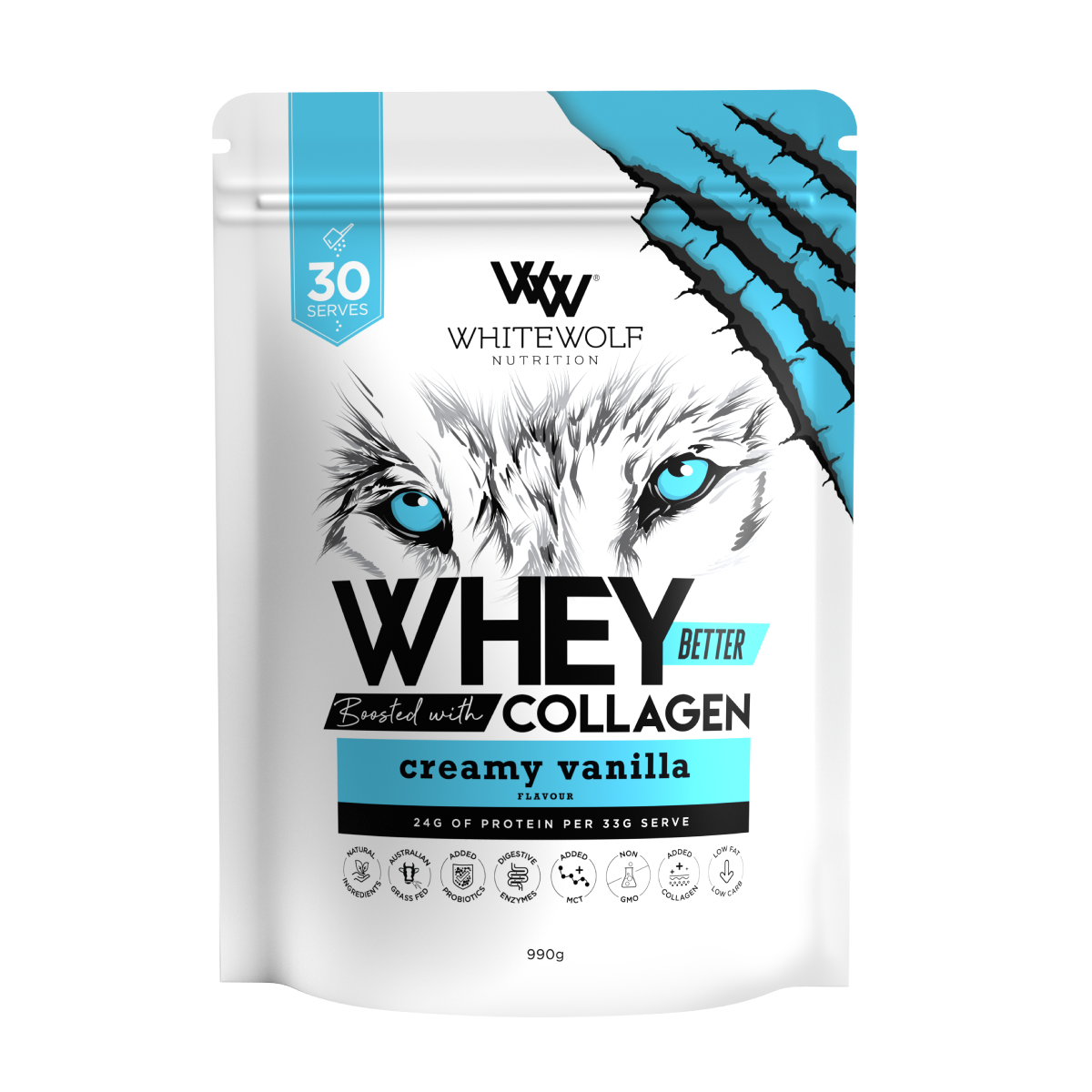
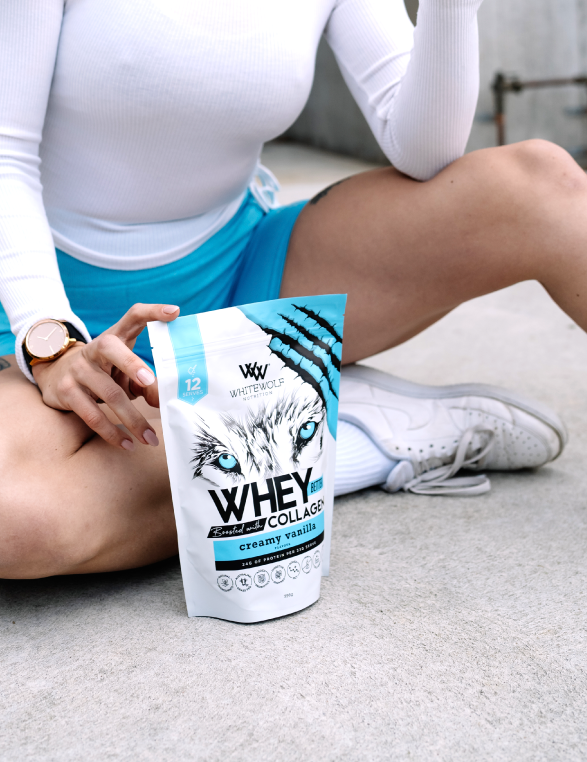
Look for one with a short ingredient list, no fillers and a flavour you'll actually look forward to, because the best protein powder is the one you'll use. If you're after an option, our protein range, including Lean Plant Protein, Superfood Plant Protein and Whey Better Protein, is naturally flavoured, free from fillers and made right here in Australia.
A simple day of protein (around 100g)
- Breakfast: Greek yoghurt with berries and a scoop of protein stirred through (about 35g)
- Lunch: chicken or tofu salad wrap (about 30g)
- Snack: a protein shake, or a boiled egg with crackers (about 20g)
- Dinner: salmon or lentil curry with veggies (about 30g)
It doesn't have to be perfect. Small, consistent habits add up.
Frequently asked questions
Will eating more protein make me bulky?
No. Building noticeable muscle size takes years of very specific training and eating. For most women, more protein and regular strength training simply means feeling stronger and more capable.
How much protein should a woman eat a day?
The recommended dietary intake for most adult women in Australia is 46g a day. Women who train regularly often aim for 1.2 to 2.0g per kilogram of body weight. A dietitian can help you find the right amount for you.
Can I get enough protein on a plant-based diet?
Yes. Including a variety of plant proteins, such as legumes, tofu, tempeh, nuts and seeds, across the day makes it easy to cover all nine essential amino acids.
Do I need protein powder?
No, but it's a convenient way to add protein to busy days, especially at breakfast or after training. Browse our protein range to find a flavour you'll love.
Sources
- National Health and Medical Research Council. Nutrient Reference Values for Australia and New Zealand: Protein.
- Thomas DT, Erdman KA, Burke LM. Nutrition and Athletic Performance. Medicine & Science in Sports & Exercise, 2016.
- Jäger R, et al. International Society of Sports Nutrition Position Stand: Protein and Exercise. Journal of the International Society of Sports Nutrition, 2017.
- Australian Institute of Sport. Sports Supplement Fact Sheet: Isolated Protein Supplement.
- Dietitians Australia. Find an Accredited Practising Dietitian.
About the author
Matt B is the founder and CEO of White Wolf Nutrition. He has spent more than a decade building an Australian-made supplement brand focused on clean ingredients and great taste. This article is general information only and isn't a substitute for personalised advice from a health professional.